

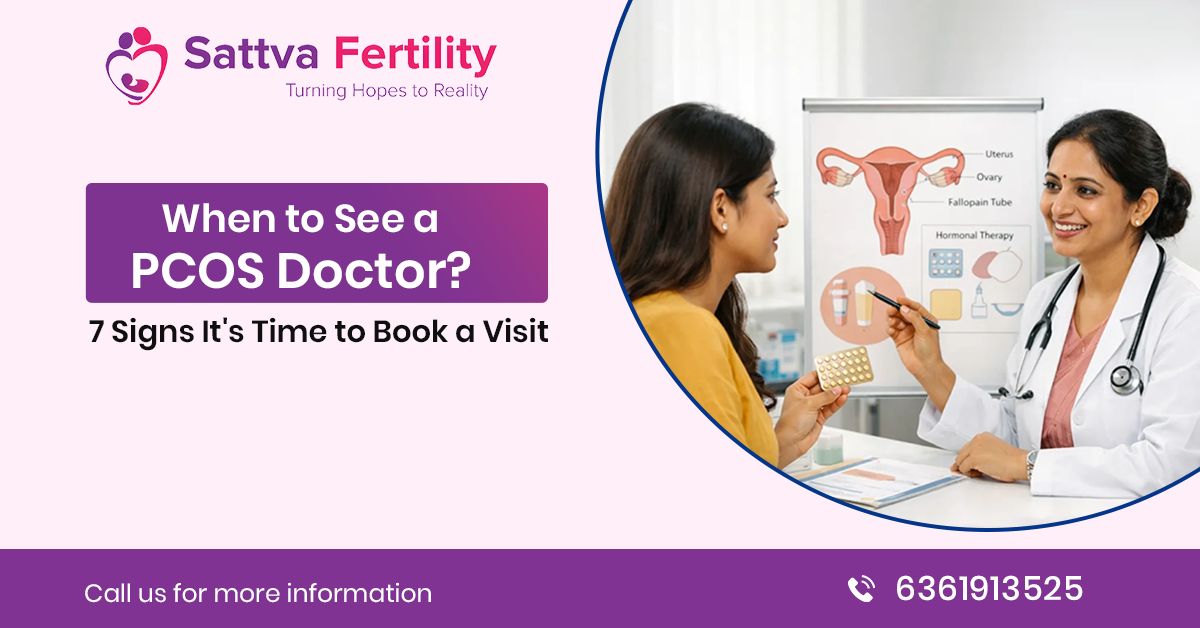
When to See a PCOS Doctor? 7 Signs It’s Time to Book a Visit
Introduction:
PCO is one of the most prevalent endocrine disorders in pre-menopausal females. But most women dismiss the early signs or attribute them to normal bodily aging. This is key because knowing when to see a PCOS doctor can really make an impact on your health, fertility and risk of long-term complications.
If you have symptoms that are not going away but are very vague and don’t feel good then this guide is for you, to help you identify those signals when it’s time to get actual professional help.
What Is PCOS, and Why Should I Care?
PCOS is a hormonal condition in which the ovaries produce excess androgens (male hormones), with symptoms like irregular periods, cysts on the ovaries, among other health concerns. If undiagnosed or untreated, PCOS can impact fertility, metabolism, mental health and quality of life.
Early diagnosis and a suitable plan for treating PCOS would enable you to get the symptoms under control and lead a healthier, more balanced life.
7 Warning Signs It’s Time for a Visit With a PCOS Doctor
Irregular or Missed Periods
Irregular menstrual cycles are one of the most common signs of PCOS and turned out to be the answer to When to See a PCOS Doctor. If your periods come way too early or way too late, if they last for unusually long periods of time or just stop altogether for months — that’s a red flag. PCOS is characterized by irregular ovulation, which should never be dismissed as not serious.
Unexplained Weight Gain
Unexplained weight gain — particularly of stomach fat — with no real dietary or lifestyle changes could be a sign that you have insulin resistance, a condition that is often seen in people with PCOS. If you find it abnormally hard to lose weight despite your efforts, a consultation with the doctor of PCOS can help to identify its cause.
Excessive Hair Growth (Hirsutism)
Do you have unwanted hair on your face, chest, back or stomach? This condition, a symptom of hirsutism, is caused by increased androgen levels — one of the main markers of PCOS. This isn’t merely a cosmetic concern; it’s something about one’s health worthy of addressing.
Hair Thinning or Hair Loss
On the other hand, some women with PCOS notice thinning hair or loss from the scalp in a manner similar to male-pattern baldness. This is also a hormonal imbalance and definitely one of the more troubling PCOS symptoms that should be evaluated by a doctor.
Persistent Acne or Oily Skin
And if you’re well past your teenage years and still struggling with stubborn acne along the jawline, chin or back, a hormonal imbalance may be to blame. PCOS-acne can be deeper, more painful and resistant to over-the-counter topical products.
Difficulty Getting Pregnant
Polycystic ovary syndrome (PCOS) is a leading cause of female infertility. If you’ve been attempting to get pregnant for six months to a year with no success, it’s important to know when to contact a PCOS doctor. However, those chances become overwhelmingly better with early intervention.
Mood Swings, Anxiety, or Depression
Hormonal shifts don’t only impact the body — they also influence the mind. Many women with PCOS experience greater levels of anxiety or mood swings, and even depression. If changes in emotional well-being are part and parcel of other physical symptoms, a comprehensive hormonal assessment is highly advisable.
Why Early Diagnosis Is Important?
PCOS is a lifelong condition but most definitely manageable with proper guidance and after knowing When to See a PCOS Doctor. Early diagnosis helps you:
- Avoid complications such as type 2 diabetes and cardiovascular disease
- Improve fertility outcomes
- Keep hormones and weight in check
- Boost mental and emotional well-being
Delaying treatment or self-diagnosing can only make managing the condition more difficult as time goes on.
Best PCOS Doctor in Bangalore – How to Find One?
If you need specialized care, select a physician who is holistic and patient-centered. Be it hormonal therapy, lifestyle guidance, or fertility support — working alongside a skilled specialist makes all the difference.
Located in Bangalore, Sattva Fertility has the best PCOS doctor in Bangalore specialised at providing accurate diagnosis and tailor-made PCOS treatment plans specifically designed for your needs. Their team recognizes the fact that every woman has her own journey and journey to explore, which is why they are dedicated to offering compassionate care that is based in science.
Final Thoughts
After all, your body is always trying to tell you something — it’s just that you have to pay attention and know about PCOS Doctor Consultation. If you’re having any of the symptoms we’ve discussed above, then don’t wait. The first step to regaining your health and well-being is knowing when it’s time for you to see a PCOS doctor.
Timeliness generates better results. Contact a competent doctor and get diagnosed soon so that you could take charge of your health.
FAQ:
When to Visit a PCOS Doctor?
You should visit a PCOS doctor if you have irregular or absent periods, unexplained weight gain, excessive hair growth, persistent acne all over your body, bald patches on the head and hair loss, difficulty conceiving or having mood swings. The sooner you have an appointment, the better your chances of successful management.
Can PCOS be cured permanently?
While there is no permanent cure for PCOS, it can be effectively managed with a good PCOS treatment plan. If treated with medication, lifestyle changes, a balanced diet and regular medical monitoring, most women live healthy lives and are even able to conceive normally.
What are the most common symptoms of PCOS that I should look out for?
Irregular menstrual cycles, unwanted facial or body hair, acne, thinning of the hair on the scalp, weight gain, mood changes and trouble getting pregnant are among the most common symptoms of PCOS. In case you notice a mix of these symptoms, it is recommended to have an early consultation with your PCOS doctor.
How is PCOS diagnosed?
PCOS is usually diagnosed based on a physical examination, blood tests to measure hormone levels and an ultrasound to detect cysts on the ovaries. A good PCOS doctor will go through your entire medical history before reaching a conclusion.
Can you become pregnant if you have PCOS?
Yes, absolutely! With the correct medical guidance, many women with PCOS fall pregnant successfully. Based on the severity of your condition, your doctor may suggest lifestyle changes (including diet and exercise), medications that induce ovulation, or assistive reproductive methods. In case of any difficulty in conceiving, seek consultation with the leading PCOS specialists in Bangalore to receive treatment for Polycystic ovarian syndrome and personalized fertility treatment.


